Rhinoplasty (Nose Reshaping Surgery)
Rhinoplasty in Muzaffarnagar is a surgical procedure used to reshape the nose and improve facial balance, while functional concerns such as nasal breathing may also be addressed when appropriate. Also known as nose reshaping surgery, rhinoplasty can be performed to address concerns involving the nasal bridge, tip, width, asymmetry or overall nasal proportions.
Whether your goal is entirely aesthetic, focused on breathing correction, or a precise combination of both, modern rhinoplasty utilizes structural techniques to deliver results that look completely natural and function beautifully.
Quick Facts
Surgery Time
1.5 to 3 hours (depending on complexity)
Anesthesia
General anesthesia
Stay Required
Outpatient (same-day discharge)
Initial Recovery
7 to 10 days for splint removal and primary social downtime
Final Results
80% of swelling resolves in 4 to 6 weeks; the final structural definition—especially at the tip—takes 12 full months to settle completely
Understanding the Approaches: Open vs. Closed
Before looking at specific types, it helps to understand the two structural frameworks used to perform the surgery:
- Open Rhinoplasty: A tiny, zig-zag incision is made across the columella (the narrow strip of tissue separating the nostrils), allowing the surgeon to gently lift the skin.
- Advantage: Provides unparalleled, direct visual accuracy for complex structural reshaping, tip work, or septal corrections. The resulting scar fades to become virtually invisible.
- Closed Rhinoplasty: All incisions are placed completely inside the nostrils.
- Advantage: Leaves zero external scarring and carries slightly less early post-operative swelling. It is ideal for minor bridge reductions or straightforward adjustments.
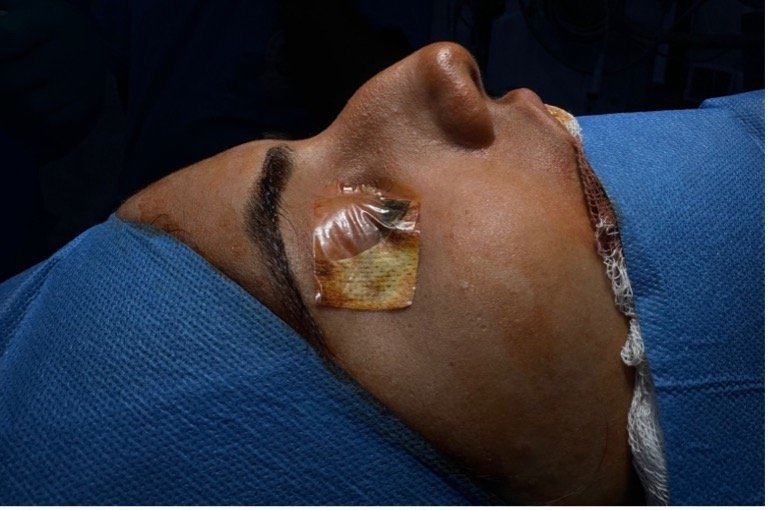
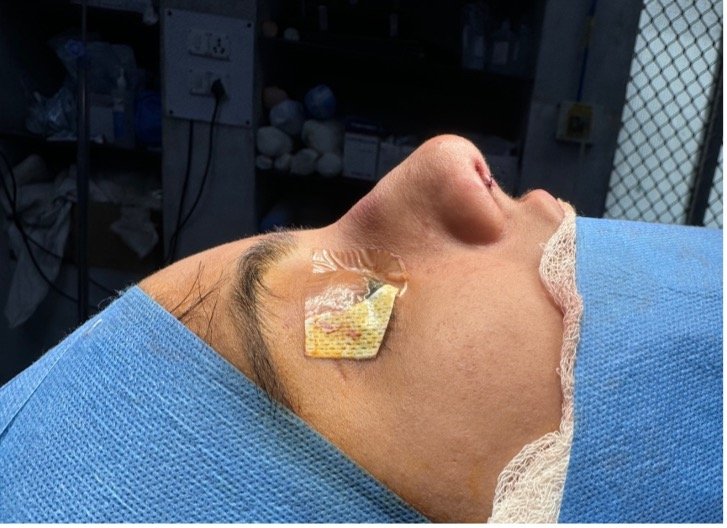
The Specific Types of Rhinoplasty
Every nose is unique. Depending on your anatomy and respiratory needs, your procedure will fall under one of these distinct categories:
- Cosmetic Rhinoplasty (For Facial Harmony)
This approach focuses entirely on enhancing the external proportions and aesthetics of the nose to better complement your eyes, cheeks, and chin.
- Common Corrections:
- Smoothing down a prominent dorsal hump (bony bridge bump).
- Narrowing a wide bridge or reshaping wide, flaring nostrils (alar base reduction).
- Altering the angle between the nose and upper lip to correct a drooping or upturned nose.
- The Result: A balanced, proportional nasal profile that blends seamlessly with your overall facial geometry.
- Tip Rhinoplasty (Precision Contouring)
When the nasal bridge is already straight and structurally sound, surgery can be restricted exclusively to the lower third of the nose—the nasal tip.
- Common Corrections:
- Refining a bulbous, rounded, or “boxy” nasal tip.
- Correcting a drooping tip (ptosis) by lifting it to a more youthful, supportive position.
- Straightening an asymmetric or deviated tip.
- The Action: The surgeon meticulously resculpts, thins, or repositions the lower lateral cartilages, often using small structural cartilage drafts harvested from inside the nose to hold the new tip shape permanently in place.
- The Result: A sharper, elegantly defined, and stable nasal tip with zero alteration to the upper bony bridge.
- Septorhinoplasty (Form Meets Function)
This is a comprehensive combination procedure that addresses both the external cosmetic appearance of the nose and the internal airway function.
- The Core Issue: A deviated septum occurs when the internal wall of bone and cartilage dividing your nasal passages is crooked or displaced to one side, severely blocking airflow and making breathing difficult.
- The Combined Action: 1. Septoplasty: The surgeon straightens, realigns, or trims the crooked internal septal cartilage to fully clear the breathing passages.
- Rhinoplasty: The external nasal framework is reshaped for aesthetic balance.
- The Benefit: Because the cartilage removed during the internal airway straightening serves as the perfect structural grafting material to rebuild the external nose, combining these two steps provides the absolute best functional and cosmetic result.
The Recovery Timeline
- The Protection: You will wake up with a hard plastic or metal splint taped firmly over your nasal bridge, and potentially soft silicone splints inside your nostrils to support the internal septum.
- Sensation: True surgical pain is usually moderate and well-managed with medication. However, you will feel significant nasal congestion, forcing you to breathe through your mouth. This feels very similar to having a heavy head cold.
- Bruising & Swelling: Swelling and bruising around the eyes and cheeks usually peak on day 2 or 3.
- Crucial Rule: Sleep with your head elevated on 2–3 pillows. Do NOT blow your nose under any circumstances; instead, gently dab any light fluid leakage with a clean tissue.
- Splint Removal: You will return to the clinic to have the external splint and any internal supports completely removed. This is an exciting and comfortable process.
- First Look: Once the splint is off, you will see your new profile immediately. Keep in mind that the nose will still look puffy, particularly around the tip and upper bridge.
Social Return: Most patients feel completely comfortable returning to school, desk jobs, and casual social outings at this stage, as the majority of bruising will have faded or can be easily hidden with concealer.
- Internal Healing: You can begin using a gentle saline nasal spray as prescribed to keep the internal passages clean and moist.
- Activity Resumption: Light walking can begin immediately, but you must avoid strenuous workouts, heavy lifting, or running until week 3 or 4.
- Glasses Warning: To protect the healing nasal bones, you must avoid resting heavy eyeglasses or sunglasses directly on the bridge of your nose for up to 6 weeks.
- The Slow Subside: The bridge of the nose slims down quickly, but the thick skin around the nasal tip retains fluid the longest. Over the course of a full year, this subtle swelling evaporates, gradually revealing the final, sharp, and highly defined contours of your new nose.
Side Effects vs. Warning Signs
|
Expected Normal Symptoms
|
Warning Signs (Call the Clinic Immediately)
|
|---|---|
|
Complete nasal stuffiness and mouth breathing for the first week
|
Fresh, active, bright red blood dripping continuously from the nose
|
|
Light pink or straw-colored fluid dripping on day 1 or 2
|
Sudden, extreme difficulty breathing not caused by normal congestion
|
|
Bruising and swelling around the lower eyelids
|
Intense, throbbing facial pain that medication cannot relieve. A fever rising above 101°F (38.3°C)
|