Breast Reduction Surgery (Reduction Mammoplasty)
Breast reduction surgery in Muzaffarnagar, also known as reduction mammoplasty, is a surgical procedure that removes excess breast tissue, fat and skin to create breasts that are more proportionate to the body. For women experiencing discomfort from very large breasts, breast reduction may help improve physical comfort, posture, mobility and confidence.
At RG Plastic & Aesthetic Surgery, Dr. Rohan Goel evaluates each patient individually and recommends a breast reduction technique based on breast size, skin quality, degree of sagging and the amount of tissue that needs to be removed.
Quick Facts
Surgery Time
2 to 3 hours
Anesthesia
General Anesthesia
Stay Required
Outpatient (same-day discharge) or an overnight stay depending on the volume removed
Initial Recovery
5 to 7 days for initial downtime; return to desk work within a week
Final Results
The breasts lighten immediately; they drop and soften into their natural, final shape over 3 to 4 months
The Physical & Functional Benefits
For many patients, a breast reduction is a life-changing procedure that addresses multiple systemic health concerns:
- Skeletal Relief: Permanently eliminates chronic, debilitating tension and pain in the neck, shoulders, and lower back caused by supporting excessive weight.
- Posture Correction: Prevents forward-rolling shoulders and structural spinal curving, resolving deep, painful bra-strap grooving on the shoulders.
- Skin Health: Eliminates recurrent, painful rashes, friction burns, and skin infections (intertrigo) in the natural fold beneath the breasts.
Active Lifestyle: Restores the ability to comfortably engage in running, exercise, and physical sports without discomfort or restriction.
Common Incision Techniques
The choice of incision pattern depends on your existing breast size, the degree of sagging (ptosis), and the total volume of tissue to be removed.
- Vertical or “Lollipop” Reduction
- The Pattern: A circular incision around the areola and a vertical line running straight down to the under-breast crease.
- Best For: Mild-to-moderate reductions where a moderate amount of skin and tissue needs to be removed.
- The Advantage: Restores excellent projection and fullness with less overall scarring.
- Inverted-T or “Anchor” Reduction
- The Pattern: A circle around the areola, a vertical line down, and a horizontal incision running along the natural crease beneath the breast.
- Best For: Significant reductions involving large volumes of tissue and a high degree of excess skin removal.
- The Advantage: Provides the surgeon with maximum access to reshape heavy tissue and meticulously contour the lower breast mound.
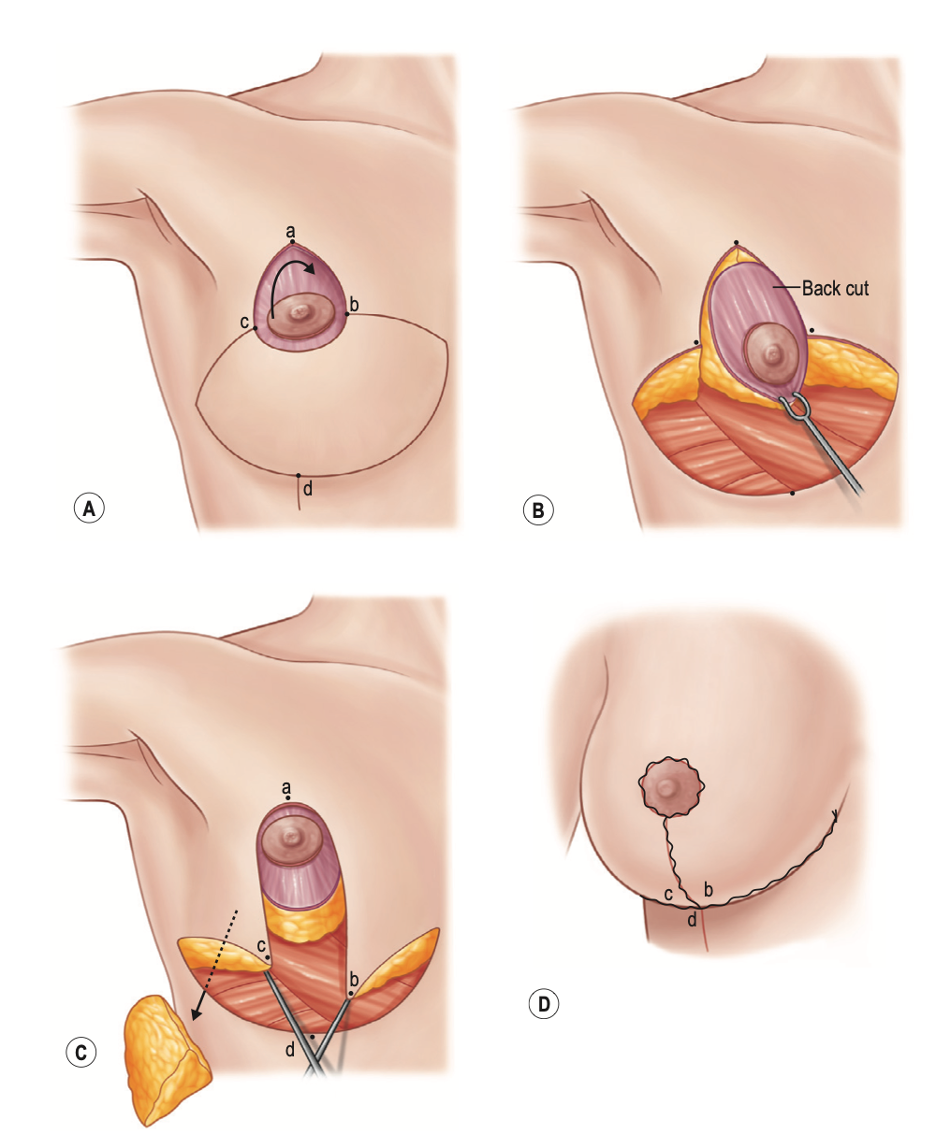
Step-by-Step: How the Procedure is Performed
Step 1: Anesthesia & Safety
You are placed safely under general anesthesia, ensuring you remain completely asleep and entirely pain-free throughout the surgery.
Step 2: Meticulous Incisions
The surgeon makes the pre-calibrated incisions according to the customized blueprint mapped out prior to surgery.
Step 3: Tissue & Fat Removal
Excess glandular breast tissue, fat compartments, and stretched skin are precisely measured and excised. Liposuction may be used along the outer sides near the armpit to smooth out transitions.
Step 4: Repositioning & Lifting
The remaining internal breast tissue is structurally lifted and anchored to a higher position on the chest wall. The nipple-areola complex is moved upward to a natural, youthful focal point on the new breast mound. Note: The nipple remains completely attached to its original underlying nerve and blood supply to preserve natural sensation and potential breastfeeding capability.
Step 5: Layered Closure
The skin edges are brought together and meticulously sealed using deep, dissolvable internal stitches. A supportive post-surgical compression bra is applied.
The Recovery Timeline
- The Feeling: While you will feel immediate relief from back and neck weight, your chest will feel firm, swollen, and tight. Discomfort is moderate and easily managed with prescribed comfort medications.
- Garment Support: You must wear your front-closing surgical support bra 24/7. This garment controls fluid retention and keeps the newly sculpted shapes securely supported.
- Resting Position: You must sleep strictly on your back with your head and torso elevated on 2–3 pillows to encourage rapid fluid drainage.
- Increased Mobility: The early internal tightness begins to relax. Walking around gently at home is highly encouraged to promote healthy circulation.
- Work Return: Most patients feel completely comfortable returning to remote desk work or office duties by day 5 to 7, as long as heavy pulling or lifting is avoided.
- Showering: You can take a gentle shower once permitted by your surgeon, ensuring you carefully dab any surgical paper tape completely dry afterward.
- Dropping and Softening: The initial high, tight appearance of the breasts will soften over these weeks, dropping into a highly natural, soft, and balanced teardrop profile.
- Exercise Progress: Low-impact walking can be increased steadily. You can typically return to standard low-impact workouts around week 3, but you must avoid heavy chest lifting, running, or high-impact bouncing exercises until week 6.
Side Effects vs. Warning Signs
|
Expected Normal Symptoms
|
Warning Signs (Call the Clinic Immediately)
|
|---|---|
|
Universal swelling, bruising, and tightness across the chest
|
Sudden, dramatic swelling or severe, hard tightening of just one breast
|
|
Asymmetric healing (one breast swelling or softening faster)
|
Intense, burning localized pain or spreading redness over the skin
|
|
Temporary numbness or hypersensitivity in the nipples or skin
|
Fresh, active blood dripping continuously through the bandages. A fever rising above 101°F (38.3°C)
|