
Hand & Upper Extremity Surgery
Hand surgery within the plastic and reconstructive surgery domain is a highly precise discipline that restores structural integrity, complex mechanics, and essential sensation to the hand, wrist, and fingers. Because the hand houses an intricate network of tendons, nerves, blood vessels, and small bones tightly packed together, reconstructive techniques are designed to optimize functional recovery while minimizing scar tissue that could restrict fluid movement.
Quick Facts
Surgery Time
30 minutes (for minor releases) to 4+ hours (for complex microsurgical reconstruction)
Anesthesia
Local block (WALANT - Wide Awake Local Anesthesia No Tourniquet), regional nerve block, or general anesthesia
Stay Required
Mostly outpatient (same-day discharge); overnight stays are reserved for major reconstructions or replantations
Initial Recovery
1 to 2 weeks for wound healing; several weeks to months of dedicated hand therapy for structural and functional rehabilitation
Common Hand Surgeries Under the Plastic Surgery Domain
Plastic and reconstructive surgeons address a broad spectrum of hand pathologies, ranging from acute trauma to degenerative conditions and congenital differences:
- Nerve Compression & Repair Surgeries
- Carpal Tunnel Release: Relieves pressure on the median nerve at the wrist by dividing the transverse carpal ligament, resolving chronic numbness, tingling, and hand weakness.
- Cubital Tunnel Release: Decompresses the ulnar nerve at the elbow or wrist (Guyon’s canal) to restore sensation to the ring and little fingers.
- Microsurgical Nerve Repair & Grafting: Rejoining severed peripheral nerves under high-power magnification following sharp trauma, or using nerve grafts/transfers to restore lost motor function and sensation.
- Tendon & Ligament Reconstruction
- Flexor and Extensor Tendon Repair: Meticulous stitching of lacerated tendons in the fingers, hand, or forearm to restore the ability to flex or extend the fingers.
- Trigger Finger Release: Incising the constricted A1 pulley sheath that causes a finger to painfully click, catch, or lock in a bent position.
- Tendon Transfers: Re-routing a functioning, redundant muscle-tendon unit to replace the function of a permanently paralyzed or damaged nerve/tendon network.
- Gamekeeper’s / Skier’s Thumb Repair: Reconstructing a torn ulnar collateral ligament (UCL) at the base of the thumb to restore pinch grip stability.
- Traumatic Fracture & Joint Fixation
- Open Reduction and Internal Fixation (ORIF): Realigning fractured phalanges (finger bones) or metacarpals (hand bones) using low-profile, medical-grade mini-plates, screws, or K-wires to ensure early structural stability and prevent stiffness.
- Joint Debridement & Arthroplasty: Addressing severe post-traumatic or osteoarthritis in the small joints of the hand through clean debridement or joint replacement to eliminate pain and preserve movement.
- Tumors, Growths, & Soft Tissue Coverage
- Ganglion Cyst Excision: Removing fluid-filled cysts arising from joint capsules or tendon sheaths when they cause pain, weakness, or cosmetic deformity.
- Dupuytren’s Contracture Fasciectomy: Carefully excising or dividing the abnormal, thickened cords of palmar fascia that pull the fingers into a permanently bent position toward the palm.
- Local and Free Tissue Flaps: Utilizing advanced tissue rearrangement, skin grafts, or microvascular free flaps to provide robust soft tissue coverage over exposed bones, joints, or tendons following severe trauma or infection.
- Congenital Hand Differences (Pediatric)
- Syndactyly Release: Surgically separating webbed or fused fingers, often requiring intricate skin grafting to build natural finger webs.
- Polydactyly Excision & Reconstruction: Removing extra digits (supernumerary fingers) while carefully reconstructing the underlying ligaments and tendons to ensure optimal alignment and strength of the remaining finger.
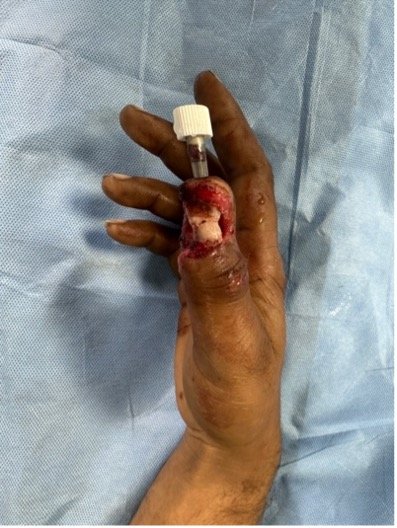
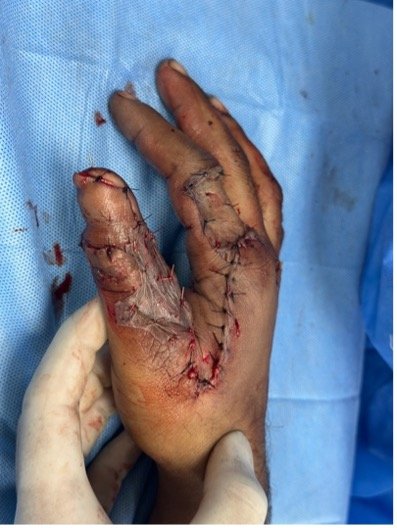
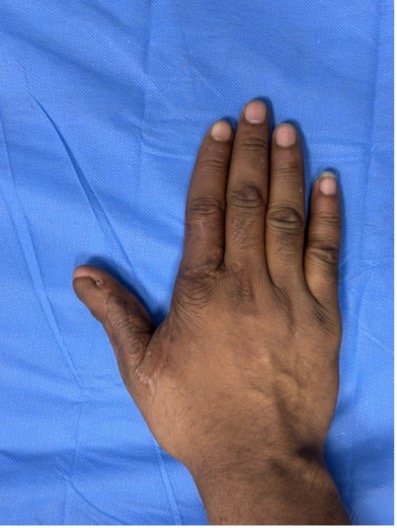
The Recovery & Rehabilitation Milestones
- The Profile: Expect localized swelling, throbbing, and surgical tightness. Your hand will typically be protected in a bulky post-surgical dressing or a custom-molded splint.
- The Elevation Rule: You must keep your hand strictly elevated above the level of your heart (resting on pillows or a specialized sling) to drastically reduce swelling and pain.
- Clinic Visit: Sutures are removed within 10 to 14 days if non-dissolvable stitches were used.
- Hand Therapy: For tendon and fracture repairs, dedicated hand therapy or controlled, passive motion exercises begin early under strict guidance to prevent internal scar tissue from gluing the tendons to the bone.
- Splint Weaning: Depending on the stability of the structural repair, you will slowly transition out of protective splints during daytime activities.
- Functional Progression: Gentle, non-resisted daily activities (typing, eating) are introduced, while heavy gripping, squeezing, or lifting are strictly restricted.
Side Effects vs. Warning Signs
|
Expected Normal Symptoms
|
Warning Signs (Call the Clinic Immediately)
|
|---|---|
|
Moderate localized swelling, bruising, and stiffness in the fingers
|
Sudden, throbbing pain or severe swelling that worsens despite elevation
|
|
Mild, temporary tingling near the incision sites
|
Mild, temporary tingling near the incision sites. A fever rising above 101°F (38.3°C)
|
|
Minor pink fluid tracking on the dressing during the first 48 hours
|
Foul-smelling discharge, red streaks spreading up the arm, or extreme heat. Loss of finger movement that was present immediately after surgery
|
Frequently Asked Questions (FAQ's)
Trusted guidance to help you feel informed and confident about your surgical journey..
- The spaces inside the hand are highly compact. Even after a flawless structural repair, the body's natural healing process deposits collagen that can form internal scar tissue bands, causing the skin, tendons, and joints to stick together. Specialized hand therapy uses custom splinting, scar gliding techniques, and targeted exercises to ensure your tendons slide smoothly and your joints remain flexible.
- WALANT stands for Wide Awake Local Anesthesia No Tourniquet. It uses a combination of lidocaine (for numbing) and epinephrine (to safely minimize bleeding without needing a painful arm tourniquet). Because you are completely awake and comfortable, it eliminates the risks of general anesthesia, and it allows you to actively move your fingers during the surgery so the surgeon can verify the strength and alignment of a tendon or fracture repair in real-time.
- For a sedentary desk job or light remote work, you can often return within 3 to 5 days, provided you can type with your unaffected hand or accommodate a splint. However, if your job requires driving, heavy lifting, or manual labor, you may need to wait anywhere from 4 to 8+ weeks depending on whether bones or tendons are healing. You should never drive while wearing a rigid splint or taking prescription comfort medications.