Trauma & Emergency Reconstruction
Trauma reconstruction surgery is specialized plastic and reconstructive surgery used to repair complex injuries involving the face, skin, soft tissue, nerves, muscles and facial bones. Emergency reconstruction may be required after accidents, sports injuries, animal bites, lacerations and facial fractures.
The goal of trauma reconstruction is to restore both function and appearance while protecting healthy tissue and minimizing long-term scarring, deformity and functional problems. Depending on the injury, treatment may involve layered wound repair, tissue rearrangement, fracture fixation, nerve or muscle repair, and carefully planned closure.
Quick Facts
The Golden Window
Whenever possible, complex soft tissue lacerations and facial fractures should be evaluated and treated by a reconstructive surgeon within the first 24 to 48 hours to minimize infection risks and optimize primary healing.
Anesthesia
Local anesthesia with sedation for minor soft tissue repairs; general anesthesia for complex facial fractures or multi-layered trauma.
Stay Required
Outpatient for isolated soft tissue lacerations; 1 to 3 nights in the hospital for complex bony facial fractures or multi-stage reconstructions.
Initial Recovery
7 to 14 days for initial wound healing and stitch removal; 6 weeks for fractured facial bones to completely fuse and regain structural strength.
Comprehensive Indications: What We Treat
Trauma reconstruction addresses injuries across multiple anatomical layers, including skin, fat, muscle, cartilage, and bone:
- Complex Soft Tissue Lacerations
- Intricate Facial Cuts: Jagged, deep, or multi-layered cuts across highly visible zones like the eyelids, lips, nose, and cheeks.
- Avulsion Injuries & Tissue Loss: Incidents where a section of skin or soft tissue has been completely torn away, requiring advanced skin grafting or local tissue rearrangement (flaps).
- Animal & Human Bites: Complex tear wounds that require thorough, sterile decontamination combined with meticulous layered closure to prevent severe infection and contour deformities.
- Maxillofacial (Facial Bone) Fractures
- Nasal Fractures: Realignment of broken nasal bones to restore a straight bridge and preserve an open internal airway for normal breathing.
- Orbital Floor Fractures (Blowout): Repairing the thin bony socket surrounding the eye to prevent the eye from sinking backward (enophthalmos) and to eliminate double vision.
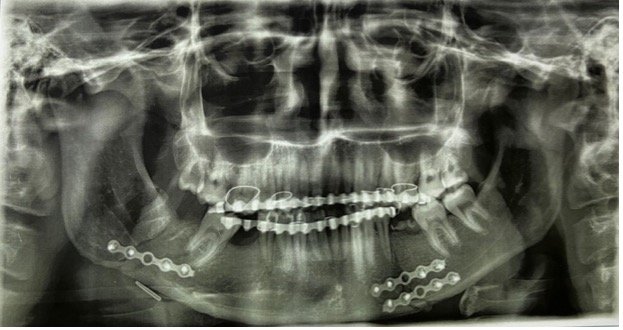
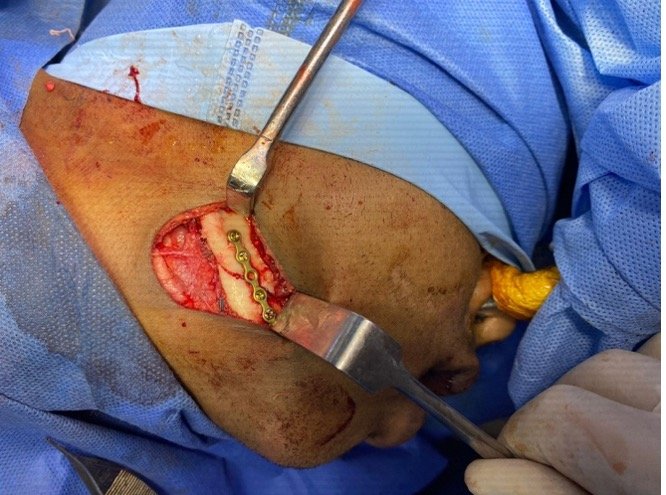
- Mandible & Maxilla Fractures: Precision alignment of the lower and upper jawbones using tiny, low-profile titanium plates and screws to perfectly restore your natural dental bite (occlusion).
- Zygomaticomaxillary (Cheekbone) Fractures: Rebuilding the structural prominent contours of the cheek and outer orbit after blunt force impact.
The Reconstructive Approach: Layered Restoration
Step 1: Rigid Fixation of Bone
For facial fractures, the surgeon accesses the bones through hidden incisions (inside the mouth or within natural eyelid creases). The bones are carefully realigned and locked into position using microscopic, medical-grade titanium plates.
Step 2: Microsurgical Nerve & Muscle Repair
Severed facial muscles, tiny tear ducts, or delicate motor nerves are meticulously re-joined under high-power surgical magnification using ultra-fine sutures to restore natural facial expressions and movement.
Step 3: Anatomical Layered Closure
The deep fat, muscle, and sub-skin layers are individually stitched back together. This completely removes tension from the top skin edges, which is the most critical factor in preventing wide, stretched-out scars.
Step 4: Plastic Surgery Subcuticular Stitching
The top skin layer is sealed using exceptionally fine, hair-thin stitches placed just beneath the skin surface, ensuring minimal surface marks.
The Recovery & Remodeling Timeline
- The Profile: Significant swelling, localized bruising, and a feeling of tight pressure are entirely normal, peaking around Day 3.
- Management: Keep your head continuously elevated on pillows, even while sleeping, and apply wrapped ice packs frequently to downsize swelling.
- Clinic Visit: Surface skin stitches are comfortably removed between Day 5 and Day 7 post-injury.
- Dietary Adjustments: If you underwent jaw or cheekbone fracture repair, you will follow a customized soft or liquid diet for 4 to 6 weeks to keep the healing bones from shifting during chewing.
- The Scar Transition: Traumatic wounds undergo intense internal remodeling. The initial pink, firm scar lines will begin to soften, flatten, and fade continuously over a 12-month lifecycle.
- Advanced Scar Management: Once the skin is fully closed, our clinic introduces aggressive scar management protocols—including medical-grade silicone sheeting, cross-friction scar massage, and targeted vascular or fractional CO2 lasers—to minimize the ultimate visibility of the injury site.
Side Effects vs. Warning Signs
|
Expected Normal Symptoms
|
Warning Signs (Call the Clinic Immediately)
|
|---|---|
|
Universal swelling, localized bruising, and facial puffiness
|
Sudden, dramatic swelling or a firm, painful bulge on one side of the face
|
|
Temporary skin numbness or a "tingling" sensation near the injury
|
Active, dark red bleeding that rapidly soaks through bandages. A fever rising above 101°F (38.3°C)
|
|
Minor pink or clear fluid tracking lightly onto dressings
|
Foul-smelling internal discharge, extreme heat, or spreading redness . A sudden change in your vision or an inability to close your eye
|
Frequently Asked Questions (FAQ's)
Trusted guidance to help you feel informed and confident about your surgical journey..
The primary goal of emergency reconstruction is to restore your pre-injury appearance as closely as anatomically possible. By using specialized plastic surgery closure techniques and hidden incision placements, we can often disguise the structural repairs beautifully. Residual asymmetries or textures can be refined later during secondary scar revision phases.
No. The microscopic plates and screws used in modern maxillofacial surgery are made of highly biocompatible, medical-grade titanium. They are designed to stay in your body permanently, causing no long-term harm, irritation, or reactions. They will not trigger airport metal detectors or interfere with future medical imaging like MRIs. They are only removed in the rare event of a localized tissue infection or hardware exposure.
Emergency reconstruction is the primary phase performed immediately after an injury to close wounds, align bones, and save tissue. A scar revision is a secondary, elective phase performed 6 to 12 months later—after the tissues have completely matured—to surgically trace, thin, or redirect any scars that healed unevenly, maximizing the final aesthetic result.
For light desk work or remote administrative duties, most patients feel completely comfortable returning within 10 to 14 days, once acute swelling drops and stitches are removed. However, if your job involves manual labor, heavy physical lifting, or a risk of facial impact, you must wait a minimum of 4 to 6 weeks until the bone structure has fully fused